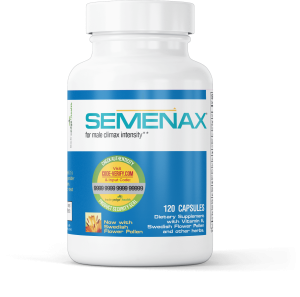
When I was struggling with feeling like my sex life wasn’t living up to what I wanted—those moments where you wonder if your performance is holding you back—I found myself scrolling through reviews for Semenax. It’s easy to get swept up by promises of bigger loads and more intense orgasms, but as someone who’s been there, I know how important it is to ask the right questions before diving in.
Before you pull that trigger on a bottle of Semenax, take a pause. Because while this supplement has helped thousands boost their semen volume and orgasm intensity, there are three critical reasons some men might be better off steering clear—reasons that could save you time, money, or even unexpected side effects.
Inside this guide, I’ll walk you through exactly who should think twice about Semenax. We’re talking real, actionable insights—no fluff, no hype—so you can decide if it’s the right fit for your body and goals. Whether you’re dealing with specific health concerns or just feeling unsure, these three clear reasons will help you make an informed choice that keeps you in control.
Who Should Avoid Semenax? The First Critical Question to Ask Yourself
If you’re dealing with prostate health issues like benign prostatic hyperplasia (BPH) or have a history of prostate cancer, or if you’re currently taking medications that interact with your reproductive system, this section will help you understand why Semenax might not be safe for you.
First, evaluate your prostate status: Semenax is formulated to boost semen volume by supporting the production of seminal fluids from four key sources—seminal vesicles (70% of a load), prostate gland fluid (25%), seminal plasma (“juice” holding semen), and bulbourethral glands (which thicken loads). Its core ingredients, including L-Arginine and Muira Pauma, work to enhance these functions naturally. However, for men with existing prostate conditions—whether diagnosed BPH (a non-cancerous enlargement) or a history of cancer—the supplement’s focus on stimulating these organs could worsen symptoms or interfere with treatment. For example, if you’ve had prostate surgery or are managing BPH with medication, adding Semenax might complicate your care without clear benefits.
Next, check for medication interactions: Many prescription drugs affect the reproductive system directly (e.g., hormone therapies, blood pressure meds like alpha-blockers) or indirectly (e.g., antidepressants that impact libido). Since Semenax is not a regulated drug but a supplement, its effects on your body could interact with these medications in unpredictable ways. A common scenario: men taking Viagra for erectile dysfunction might find that Semenax’s ingredients enhance blood flow to the reproductive organs, leading to overstimulation or adverse reactions. Without consulting a doctor first, you risk worsening your condition or needing to adjust your medication regimen unnecessarily.
- If you’re on any prescription drug that affects your prostate, hormones, or sexual function, avoid Semenax until you discuss it with your healthcare provider.
- Men with untreated diabetes should also proceed with caution: high blood sugar can damage reproductive organs over time, and Semenax’s effects might not align with diabetic management plans.
Takeaway: Always prioritize your health history when considering supplements. If you have a pre-existing prostate issue or are on meds that interact with your reproductive system, consulting a doctor is the safest first step before deciding whether Semenax fits into your routine.
Health Conditions That Disqualify You from Using Semenax
Specific medical issues such as untreated diabetes, uncontrolled high blood pressure, or recent surgeries on the reproductive organs can increase risks when using supplements like Semenax, making it essential to consult a doctor first.
These conditions don’t just pose general health risks—they directly interfere with how Semenax works. For example, untreated diabetes disrupts your body’s ability to regulate blood sugar and hormones that fuel semen production. Since Semenax relies on balanced hormonal signals (like testosterone) and healthy fluid secretion from the seminal vesicles and prostate gland, unmanaged diabetes can blunt its effectiveness or even worsen symptoms.
- Untreated diabetes: High blood sugar levels damage blood vessels and nerves involved in semen generation, while insulin resistance throws off hormone balance. Semenax’s ingredients—like L-Arginine, which supports nitric oxide for fluid flow—are less effective when your body’s metabolic system is out of sync.
- Uncontrolled high blood pressure: This condition strains the cardiovascular system, affecting the tiny blood vessels that deliver nutrients to reproductive organs. What’s more, Semenax contains ingredients (such as L-Arginine) known to lower blood pressure, so combining them with unmanaged hypertension could lead to dangerous drops in BP or unexpected side effects.
- Recent surgeries on reproductive organs: Whether it’s a vasectomy reversal, prostate surgery, or other procedures, your body needs time to heal. Semenax’s focus on boosting fluid production and orgasm intensity might overstimulate healing tissues before they’re ready, increasing the risk of complications like inflammation or impaired recovery.
In each case, the goal is clear: avoid putting yourself at unnecessary risk by letting a healthcare professional evaluate whether Semenax aligns with your current health status. The last thing you want is to complicate an existing condition or delay proper treatment while using a supplement that may not be safe for you.
Medication Interactions: When Semenax and Your Prescriptions Don’t Mix
If you’re on medications for erectile dysfunction (like Viagra), blood pressure, or hormone-related issues, the potential for adverse reactions means Semenax could complicate your treatment—so knowing these interactions is key.
When it comes to mixing supplements like Semenax with prescription drugs, the stakes are high because your body’s response to both can overlap in ways that aren’t always predictable. For example, if you’re taking a PDE5 inhibitor for ED, adding Semenax—which contains L-Arginine (a compound known to boost nitric oxide production) —could amplify the effect of these drugs on blood flow and pressure. This combination might lead to dangerously low blood pressure or even priapism (an painful erection lasting too long), so it’s critical to avoid this mix unless a doctor approves.
Here are the key medication categories where Semenax may not be safe:
- Erectile Dysfunction Medications: Such as sildenafil (Viagra), tadalafil (Cialis), and vardenafil. These drugs work by increasing blood flow to the penis, and Semenax’s L-Arginine can enhance this effect further. However, combining them without medical guidance increases the risk of hypotension (low blood pressure) or priapism, both of which require immediate attention.
- Blood Pressure Medications: Including ACE inhibitors (like lisinopril), beta-blockers (such as metoprolol), and diuretics. Some supplements, including Semenax, may lower blood pressure on their own by improving vascular health. When paired with these medications, the risk of severe drops in BP rises—potentially leading to dizziness, fainting, or organ damage if not monitored.
- Hormone-Altering Medications: Such as testosterone replacement therapy (TRT), estrogen blockers, or thyroid hormones. Semenax’s ingredients can influence hormonal balance; mixing them with TRT, for instance, could disrupt your body’s natural testosterone regulation, causing side effects like mood swings, changes in libido, or increased risk of cardiovascular events.
Takeaway: Always consult a healthcare provider before adding Semenax to any medication regimen. Even if you think the interaction is minor, professional advice ensures your safety and helps avoid complications that could impact your health long-term.
Age and Underlying Issues: When Semenax Isn’t Appropriate
For men under 18 or over 65, especially those without underlying fertility concerns, Semenax’s benefits may not justify the risks, as age-related health factors can make supplements less effective or more dangerous.
Imagine you’re 67 and have been considering Semenax to boost semen volume, but then you realize your age might make this supplement less effective—and even riskier than it seems for someone in your situation.
For older adults, the body’s ability to process supplements like Semenax can be compromised by age-related changes. As we get older, our digestive system may absorb nutrients more slowly, and our liver or kidneys might struggle to metabolize ingredients efficiently—meaning Semenax could build up in your system instead of providing benefits. For instance, if you take a blood pressure medication like lisinopril, adding Semenax’s L-Arginine (which can lower blood pressure) could lead to dangerously low readings. This isn’t just a theoretical risk—many older adults already have hypertension, and mixing supplements with their prescriptions is a common cause of adverse reactions.
For teenagers, the body is still developing reproductive organs and systems. Semenax is formulated for adult male reproductive health, but there’s no clinical data on how it affects minors. Using it before full maturity could disrupt natural growth processes or cause unknown side effects—something you don’t want to risk when your body is still growing.
If you’re under 18 and not dealing with low sperm count or other fertility issues, Semenax isn’t designed for you. The supplement targets semen production, but without underlying problems, there’s no need—and the potential risks (like hormonal imbalances) aren’t worth it.
For older men, age-related health changes can make supplements like Semenax less effective and more dangerous—especially if you’re already on medication or have existing conditions.
In short, whether you’re under 18 or over 65, the risks of using Semenax often outweigh any potential benefits. For younger men, your body isn’t ready; for older men, age-related health factors make supplements like this less effective and more risky. The best approach? Focus on natural ways to support reproductive health—like a balanced diet, regular exercise, and consulting with a doctor before taking any new supplement.
Unrealistic Expectations and When Semenax Isn’t Your Best Option
If you’re looking for a quick fix without addressing lifestyle factors like diet, hydration, or stress—since Semenax alone won’t replace these—this section will show why focusing on other areas might be more effective.
Many men jump straight to supplements when they want to boost semen volume or orgasm intensity but overlook that Semenax works optimally alongside a foundation of healthy habits. For example, if your diet lacks zinc (a key mineral for prostate health) and antioxidants, the supplement’s ingredients may not reach their full potential. Similarly, chronic dehydration can slow down nutrient absorption, making it harder to notice improvements from Semenax.
Decision point: If you’re prioritizing immediate results over long-term wellness habits, consider whether Semenax alone will meet your expectations—or if investing in diet and hydration first could amplify its effects.
- Lifestyle factors that enhance Semenax’s benefits: A balanced diet rich in zinc (found in oysters, pumpkin seeds), vitamin C (from citrus fruits) to support seminal fluid production; staying hydrated to ensure efficient nutrient transport; managing stress through exercise or mindfulness to keep testosterone levels stable.
- Why unrealistic expectations can backfire: Some users expect dramatic changes within days of starting Semenax. However, the supplement’s clinical study showed noticeable improvements over weeks—so rushing results may lead to disappointment if you don’t adjust your mindset.
- Start with a health check: Before adding Semenax, confirm there are no underlying conditions that could interfere (e.g., prostate issues or medication interactions).
- Combine with healthy habits: Pair the supplement with consistent hydration, nutrient-dense meals, and stress-reduction practices to create a synergistic effect.
- Be patient: Results from Semenax typically emerge within 4–6 weeks of daily use when paired with lifestyle support.
Takeaway: The most effective approach isn’t just taking a pill—it’s building a holistic routine where Semenax acts as a boost, not a replacement for healthy living.