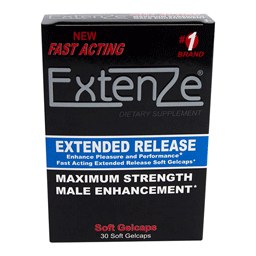
When I first considered taking ExtenZe, I was drawn in by the buzz around its ability to boost sexual performance—friends talked about harder erections and longer-lasting stamina. But as I started researching deeper, a nagging question popped up: Who shouldn’t even consider using this supplement? Today, I’m here to answer that directly for you—because knowing who ExtenZe isn’t meant for can protect you from potential risks or wasted money.
You’ve probably wondered if this daily tablet is right for you. Maybe you’re dealing with low libido, trouble maintaining an erection, or just want a natural edge in the bedroom. But before you jump on board, there are critical warnings to consider—warnings about who should stay away from ExtenZe entirely. I’ll walk you through those risks step by step so you can make an informed choice that aligns with your health and goals.
Age Restrictions for ExtenZe Use
Men under 18 or over 65 may not use ExtenZe safely due to unverified effectiveness in these age groups.
Imagine you’re 17, feeling self-conscious about your performance, and see an ad for this supplement promising bigger erections. Before you even consider buying it, the most important question is: are you old enough? Because if you’re under 18, ExtenZe isn’t safe—and here’s why.
- For men under 18: The body is still maturing, so the supplement’s ingredients haven’t been tested for safety in adolescents. Using ExtenZe at this age could interfere with natural hormonal changes or cause unknown side effects.
- For men over 65: Older adults often have pre-existing health conditions (like high blood pressure or diabetes) that could be worsened by ExtenZe’s impact on circulation. Even if you feel healthy, the formula isn’t backed by studies to ensure it’s safe for long-term use in this demographic.
Takeaway: Age is a non-negotiable factor—only adults aged 18–65 can safely take ExtenZe without risking their health or getting no results from its blend of herbs and nutrients.
Medical Conditions That Contraindicate ExtenZe Use
Individuals with cardiovascular issues, high blood pressure, diabetes, or liver/kidney problems should avoid ExtenZe to prevent worsening symptoms or dangerous reactions.
Before you decide to take ExtenZe, it’s critical to check if your health status falls into any of these categories—because mixing the supplement with certain medical conditions could have serious consequences. Here’s a breakdown of why each condition is a red flag for using this product.
- Cardiovascular Issues: Conditions like coronary artery disease, arrhythmias, or recent heart attacks are risky because ExtenZe boosts blood flow to the penis. For people with weakened hearts or damaged arteries, this surge could strain your cardiovascular system and increase the risk of a heart event.
- High Blood Pressure: If you have hypertension, ExtenZe may raise your blood pressure further—especially if you’re already on medication. This can push your numbers into dangerous territory, raising your stroke or heart attack risk.
- Diabetes: Uncontrolled diabetes damages blood vessels and nerves over time; adding a supplement that boosts circulation without proper medical oversight can lead to complications like poor wound healing, nerve pain, or even diabetic retinopathy.
- Liver/Kidney Problems: These organs process the supplement’s ingredients. Impaired function (from disease, injury, or medication) can cause toxic buildup in your system, potentially leading to liver failure or kidney damage.
Takeaway: Always consult a healthcare provider before using ExtenZe if you have any of these conditions—your safety depends on it.
Medications That Interact With ExtenZe
People taking blood thinners (like warfarin), nitrate-based drugs for chest pain, or other erectile dysfunction medications should not use ExtenZe to avoid increased risk of bleeding or unexpected side effects.
Mixing these medications with the supplement can have dangerous consequences because ExtenZe works by increasing blood flow—something that interacts poorly with drugs designed to thin blood or relax blood vessels.
- Blood thinners such as warfarin (Coumadin), heparin, or apixaban are used to prevent blood clots. When combined with ExtenZe, they can lead to excessive bleeding, which may be life-threatening if it occurs in the brain, stomach, or other critical areas.
- Nitrates like nitroglycerin (used for chest pain from angina) relax blood vessels and lower blood pressure. Taking them alongside ExtenZe can cause a dangerous drop in blood pressure, leading to dizziness, fainting, or even a heart attack.
- Other erectile dysfunction medications including sildenafil (Viagra), tadalafil (Cialis), and vardenafil (Levitra) also interact with ExtenZe. These drugs work similarly by increasing blood flow to the penis; combining them can result in an overdose of this effect, causing priapism (a painful, prolonged erection that requires immediate medical attention).
Takeaway: If you’re on any of these medications, stop using ExtenZe immediately and talk to your doctor before considering alternative options. Your safety depends on avoiding these dangerous interactions.
Pregnancy and Breastfeeding Considerations
Women who are pregnant, breastfeeding, or trying to conceive should avoid ExtenZe because the supplement’s ingredients haven’t been evaluated for safety in these situations.
For women in any of these stages, the risks far outweigh any potential benefits—here’s why.
Pregnancy: Pregnancy is a time when your body needs extra care, and introducing unknown substances can be dangerous. ExtenZe contains ingredients like L-arginine, ginseng, and zinc, but research on their safety during pregnancy is limited. Without clear data, we simply don’t know if these components could harm the developing fetus or disrupt maternal health. For example, some herbal supplements have been linked to birth defects when taken during critical stages of pregnancy, so avoiding ExtenZe is a proactive choice for protecting both you and your baby.
- The supplement’s ingredients haven’t undergone clinical trials in pregnant women, leaving unknown risks for fetal development.
- Hormonal changes during pregnancy make it risky to introduce untested compounds that could interfere with natural processes.
Breastfeeding: Breastfeeding is another vulnerable period—your body transfers nutrients (and potentially other substances) from what you consume into breast milk. Since the safety of ExtenZe’s ingredients in lactating women hasn’t been established, there’s no way to guarantee they won’t affect your infant. Even a small amount could impact the baby’s growth or cause unknown reactions—so healthcare providers universally recommend steering clear.
- Ingredients like ginseng and L-arginine haven’t been studied for their transfer into breast milk, so we can’t rule out risks to the baby.
- Avoiding supplements during lactation is standard practice because of the lack of safety data.
If you’re trying to conceive, the supplement may also interfere with fertility efforts. While ExtenZe is marketed for libido and stamina, its effects on reproductive hormones aren’t fully understood. Some ingredients might alter hormone levels in ways that hinder conception, though this isn’t proven. For couples actively trying to start a family, it’s wise to avoid supplements until after pregnancy or breastfeeding.
Takeaway: If you’re pregnant, breastfeeding, or planning to get pregnant, skip ExtenZe entirely—your reproductive health and your baby’s safety come first.
Recent Surgeries or Injuries That Require Caution
Men recovering from prostate surgery, urinary tract procedures, or pelvic injuries should wait until cleared by a doctor before using ExtenZe to prevent complications.
If you’ve recently undergone prostate surgery, urinary tract procedures, or suffered pelvic injuries, your body is still healing—making ExtenZe a risky choice until your doctor gives the green light. Imagine you just had TURP (transurethral resection of the prostate) and your urologist told you to avoid strenuous activity for weeks while tissues repair. Now you see an ad for ExtenZe promising bigger erections, but using it during recovery could interfere with healing.
- Prostate surgeries: Procedures like radical prostatectomy or TURP cut through pelvic tissue that supplies blood to the penis. ExtenZe boosts this blood flow, which can increase bleeding at surgical sites and delay tissue repair—especially if nerves are still recovering from the procedure.
- Urinary tract procedures: Surgeries for kidney stones (nephrolithotomy), urethral strictures, or bladder removal involve similar vascular networks as erectile tissues. Using ExtenZe while these areas heal could lead to infections, delayed wound closure, or increased pain if blood flow disrupts surgical sites.
- Pelvic injuries: Fractured hips, sports-related trauma, or accidents that damage pelvic nerves and blood vessels are still fragile. ExtenZe’s ability to increase blood flow might worsen swelling, bruising, or nerve damage—slowing recovery and potentially causing long-term issues.
Takeaway: Never use ExtenZe after any pelvic surgery or injury without first consulting your doctor. Your body needs time to heal, and ExtenZe’s effect on blood flow could complicate that process. Always prioritize professional guidance over supplement promises when recovering from medical procedures.